
The Colors That Heal Anxiety and Why Your Brain Responds to Them
The Colors That Heal Anxiety and Why Your Brain Responds to Them
Science Reveals How Certain Colors Influence Calm, Comfort, and Emotional Balance
By Dr. Pamela Ramirez, MD - QueenNoble
Anxiety affects millions of people every day. It can increase heart rate, heighten alertness, and keep the mind cycling through endless thoughts. While color alone cannot treat an anxiety disorder, psychology and neuroscience research shows that the colors surrounding us can influence mood, stress levels, emotional comfort, and mental well-being.
From the walls in your home to the artwork you choose, color becomes part of the environment your brain processes every second. Some colors encourage relaxation, while others stimulate alertness and energy. Understanding this relationship can help create spaces that feel more peaceful and emotionally supportive.
Why Your Brain Pays Attention to Color
The human visual system evolved to respond quickly to environmental cues. Color acts as one of those signals. Light enters the eye and travels through neural pathways connected to areas of the brain involved in emotion, memory, and attention.
Research in environmental psychology suggests that colors can influence physiological responses such as heart rate, blood pressure, and perceived stress. These effects vary between individuals and cultures, yet several color trends consistently appear across scientific studies.
The result is fascinating. A room, painting, or workspace may shape emotional experiences before conscious awareness even enters the picture.
Soft Blue and the Feeling of Mental Space
Blue frequently appears among the most calming colors studied in psychological research. Many people associate blue with open skies, clear water, and expansive natural environments.
Researchers have found that blue environments often promote feelings of tranquility, security, and mental clarity. Soft blue shades are commonly used in healthcare settings, wellness spaces, and meditation rooms because they support a sense of ease.
Light blue artwork or decor can create visual breathing room for a busy mind. Think of it as the emotional equivalent of opening a window on a pleasant day.

Green and the Brain's Connection to Nature
Green occupies a special place in human psychology. Throughout human history, green signaled vegetation, resources, and thriving ecosystems.
Studies on nature exposure consistently show reductions in perceived stress and improvements in mood. Green serves as a visual reminder of those natural environments.
Soft sage green, muted olive, and gentle botanical tones often create feelings of restoration and emotional comfort. Many interior designers use these shades to create relaxing living rooms, bedrooms, and creative spaces.
When people describe a room as feeling balanced or refreshing, green often plays a significant role.
Warm Beige and Earth Tones Create Emotional Comfort
Earth-inspired colors provide a sense of familiarity and grounding. Beige, sand, taupe, warm cream, and natural clay tones tend to feel welcoming because they resemble elements commonly found in nature.
Psychologically, these colors contribute to feelings of stability and safety. They support a calm atmosphere without drawing excessive attention.
Many luxury wellness spaces incorporate neutral earth tones because they create an environment that feels both sophisticated and emotionally reassuring.
The brain appreciates environments that feel predictable and comfortable. Earth tones often deliver exactly that experience.
Lavender and Soft Purple Inspire Relaxation
Lavender has long been associated with calmness and restoration. The color combines the soothing qualities often linked with blue and the warmth associated with softer red tones.
Several studies exploring color perception suggest that light purple shades can evoke feelings of serenity, creativity, and emotional balance.
Lavender is particularly popular in bedrooms, relaxation areas, and therapeutic environments where emotional comfort matters.
There is something deeply pleasant about a color that feels both gentle and uplifting at the same time.
The Surprising Role of Pale Pink
Soft pink often receives less attention in discussions about anxiety, yet research has explored its calming influence for decades.
Certain pale pink shades have been associated with reduced feelings of agitation and increased perceptions of warmth and care. While responses vary among individuals, many people experience soft pink as nurturing and emotionally comforting.
Modern designers frequently pair pale pink with neutral tones to create spaces that feel welcoming without becoming overwhelming.
Artwork Colors and Emotional Well-Being
Color becomes especially powerful when combined with art. Artwork engages emotional processing, memory, imagination, and personal meaning.
Abstract paintings featuring calming blues, greens, earth tones, and balanced compositions often create spaces that encourage reflection and emotional ease. Research suggests that viewing aesthetically pleasing artwork can activate reward pathways in the brain, contributing to positive emotional experiences.
This may explain why many people instinctively gravitate toward specific colors in paintings during stressful periods of life.
Creating a Calmer Environment Through Color
The most effective color choices are often the ones that create a personal sense of comfort. Scientific research points toward soft blue, nature-inspired green, warm earth tones, lavender, and gentle pink as colors frequently associated with reduced stress and emotional relaxation.
A calming home, office, or art collection does not require dramatic changes. Small adjustments in wall colors, furnishings, textiles, and artwork can contribute to an environment that supports emotional well-being every day.
Your brain constantly interprets the world around you. The colors you choose become part of that conversation. Selecting colors associated with calm, comfort, and restoration can help create spaces that feel more peaceful, balanced, and emotionally supportive.
Written from an evidence-based psychology and neuroscience perspective. Color influences mood and emotional experience, while professional mental health care remains the gold standard for diagnosing and treating anxiety disorders.
About The Author
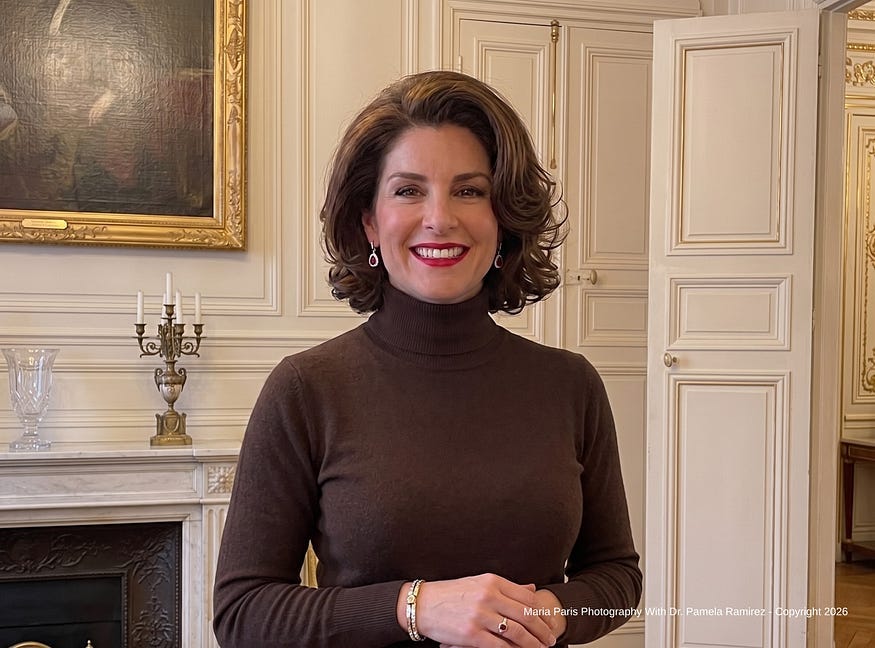
Dr. Pamela Ramirez, PsyD, PhD, MD, is a scientist and researcher on SciProfile with ORCID (Open Researcher and Contributor ID) 0000–0002–3963–6650. She is a psychologist, psychiatrist, and PhD holder in human behavior, as well as an author, writer, and internationally established artist known as QueenNoble. She is also a member of the Europeana Network & Foundation, supporting the preservation of culture and heritage.
Through her writing, Dr. Ramirez helps people improve their lives in mind, body, and finances. She is the author of several books, including The Chemistry of Productivity, Quarantine: The Challenges During Quarantine and How to Keep Our Sanity, The Signs She Left, The Eyes Behind Her, How to Sell Your Art Without A Gallery, Menka, Live Minimal, and more.